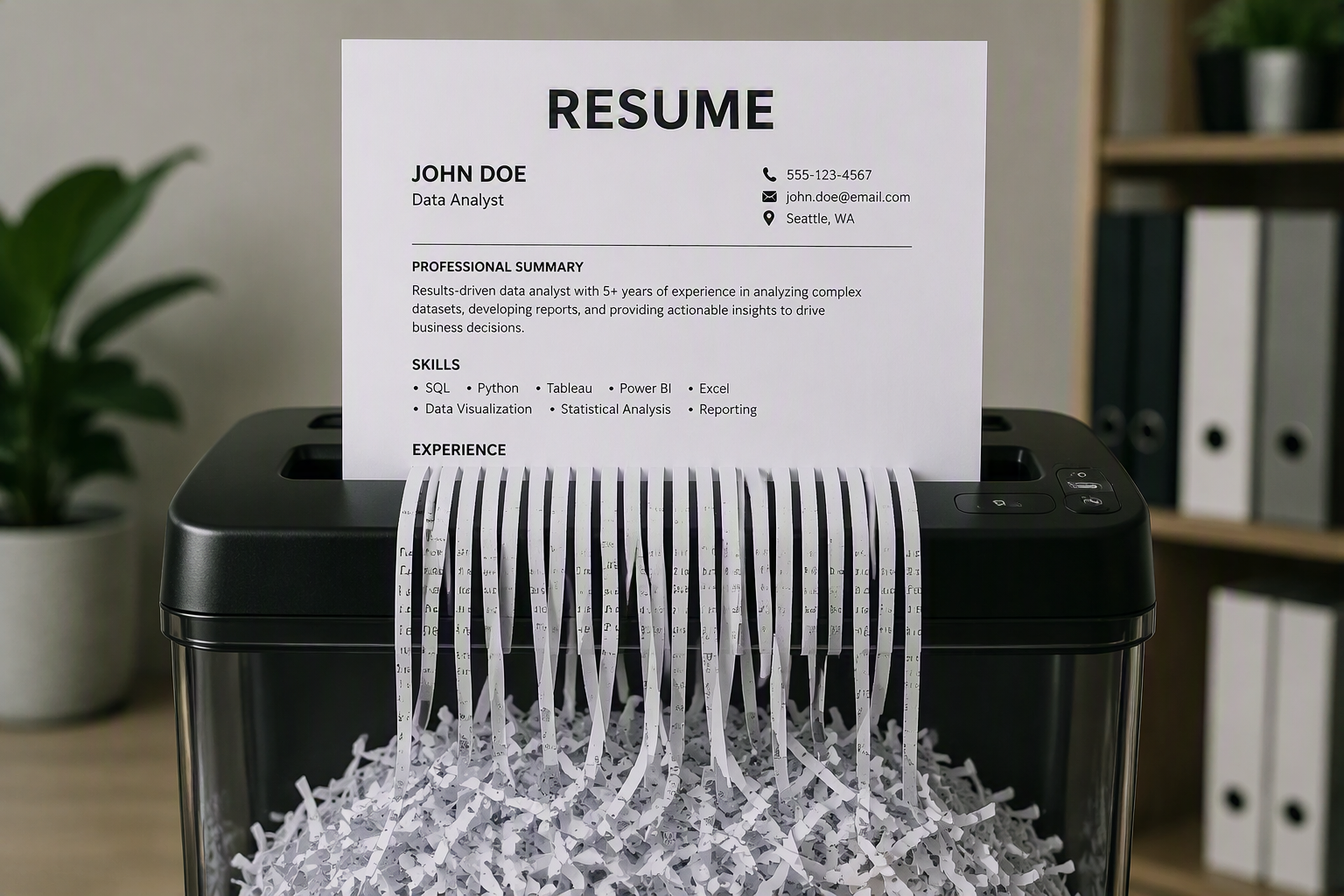
Crystal Reports was first released in 1984 by a company named Crystal Services. Wikipedia has a great history of Crystal Reports and its various owners, including current owner, SAP. Several years ago, I wrote an article entitled SAP BusinessObjects Resume Tips with suggestions for updating a resume (known as a Curriculum Vitae, or CV, in other parts of the world). In that article, I made a single reference to Crystal Reports:
A similar change has taken place with Crystal Reports, which is now called SAP Crystal Reports.
DISCLAIMER: I am not a Crystal Reports developer, nor do I play one on TV. However, I sometimes have to write about it and today I offer the same five rules to Crystal Reports resume writers that I previously offered to SAP BusinessObjects professionals.
1. SAP-ify your resume
SAP took ownership of Crystal Reports by acquiring Business Objects in 2007. If you have used Crystal Reports since then, take a moment to prefix any mention of Crystal Reports with “SAP”. Formal names of currently supported products in the Crystal Reports portfolio include:
- SAP Crystal Reports
- SAP Crystal Server
- SAP Crystal Reports for Visual Studio
- SAP Crystal Reports for Eclipse
While SAP technical writers have to worry about trademark symbols to satisfy the legal department, my opinion is that they are unnecessary on a resume.
2. Avoid abbreviations
Although I’d have a lot of money in a jar for every time I said “Webi”, I am a firm believer in not using abbreviations in writing, whether it be technical writing or a resume. Avoid using abbreviations like “CR” and always go for “Crystal Reports”. Crystal Server Pages have long been deprecated, but if you must mention them, spell out the term instead of using “CSP”.
Along with avoiding abbreviations, the word “Crystal” should NEVER appear naked on your resume. In other words, it should not appear by itself. Be clear when referring to “Crystal” that you mean “Crystal Reports” or “Crystal Server”. Or even “Crystal Enterprise” for older versions of the server product. But with regard to “Crystal Enterprise”…
3. Use new product names whenever possible
If you must mention an old product name, I would use the new product name first then put the older name in parenthesis.
Upgraded Crystal Server 9 (Crystal Enterprise) to Crystal Server 10.
or
Upgraded Crystal Server 9 (formerly Crystal Enterprise) to Crystal Server 10.
Unless you would rather follow my next suggestion…
4. Consider dropping unsupported or obsolete products
Consider removing obsolete product references from your job descriptions, as they kind of date you. Examples here would include:
- Crystal Server Pages
- Crystal Reports Explorer
- Crystal Xcelsius Enagage
- Crystal Xcelsius Enterprise
Apologies if I triggered PTSD when mentioning “Crystal Reports Explorer”…
5. Stress the business value of your business intelligence
As somebody who believes that the current job market puts too much emphasis on tools experience, look for opportunities to stress the business value of the projects that you worked on, rather than the tools that were used. In my previous article, I stated:
Perhaps your efforts automate what used to take several hours or days of tedious manual activity. Be realistic and honest – not everybody can quantify that they saved the company billions of dollars. But some of you can. And should.
One of my friends was the Crystal Reports administrator for a large utility company. She was responsible for sending daily reports to the CEO’s Blackberry via email. The CEO never remembered her name and referred to her as “Crystal” during their informal training sessions, as the emails were sent from “Crystal Administrator”. That’s a story worth telling and retelling- the scope is more important than the technology.
Crystal Reports continues to fill a role that the current darlings of analytics- Microsoft Power BI and Salesforce-owned Tableau- do not do well: pixel-perfect reporting. This analytics requirement- like export to Excel- isn’t going anywhere. Which is why SAP released Crystal Reports 2025 earlier this year to replace Crystal Reports 2020. SAP has announced plans for Crystal Reports 2027 and Crystal Reports 2029, meaning that mainstream maintenance for this beloved product is confirmed in SAP’s Product Availability Matrix (PAM) through December 31, 2031. It’s important to understand that Crystal Reports isn’t a 40-year-old piece of software creaking along on modern computers like some of the relics still in production at the Federal Aviation Administration (FAA). Instead, it’s a 40-year-old product that has been modernized over the years. Today’s Crystal Reports is 64-bit, can publish to the cloud, and is able to connect to modern data sources like Databricks, Salesforce, Snowflake, and UNX-based universes from its sister SAP BusinessObjects Business Intelligence platform.
So, there you have it – five best practices for mentioning Crystal- uh, I mean Crystal Reports- on your resume or CV. I would love to hear from Crystal Reports developers on how they approach their resumes. As always, feel free to share a comment below.